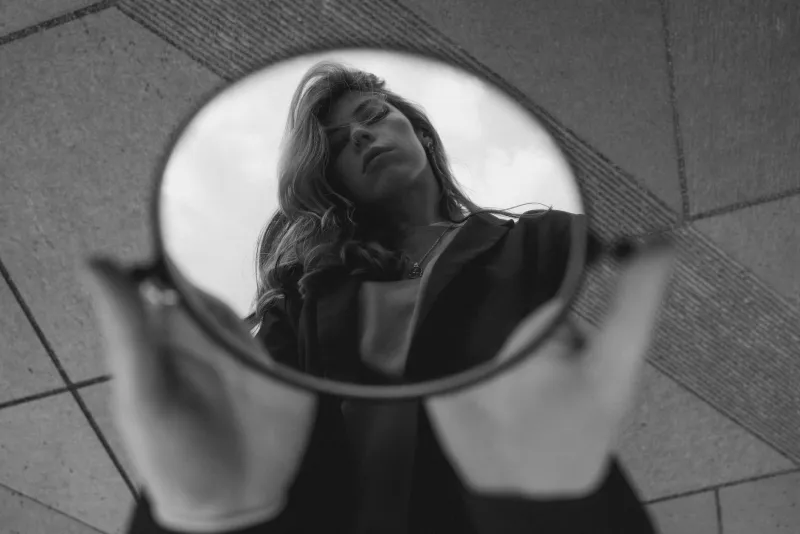
There's this advice that gets handed out like candy at every creator conference, in every YouTube video about growing your brand, in every Instagram caption from someone who just hit a million followers: just be yourself.
It sounds so simple. So freeing. So honest.
It's also kind of a lie.
Not in a cynical, everyone-is-fake kind of way. More in the way that a really great performance can be completely sincere and still be a performance. The most compelling creators you follow — the ones who feel like a friend you've never met — are not just pointing a camera at their unfiltered lives and hoping for the best. They've built something. A version of themselves that's real, consistent, and carefully enough shaped that it actually lands.
That's not inauthenticity. That's craft.
The Paradox Nobody Wants to Talk About
Here's the tension at the center of all of this: audiences want to feel like they're getting the real you, but the real you — the 3am anxiety spiral you, the bad hair day you, the genuinely uncertain about everything you — is not always what connects. And more importantly, it's not always what you want to share.
When people say they want authenticity online, what they usually mean is consistency. They want to feel like the person they're watching on Tuesday is the same person they watched last month. They want to know what to expect from you emotionally, tonally, energetically. They want the reassurance that you're not performing a completely different character every week.
That's not the same as wanting every raw, unprocessed thought you've ever had.
The creators who understand this — who really get it — don't just show up and dump their inner world onto the internet. They've thought about which parts of themselves are genuinely useful or entertaining or interesting to share, and they've built a consistent lens through which they show those parts. That lens is a persona. And building it is actual work.
Relatability Is a Skill, Not a Trait
Some people seem naturally relatable. But spend enough time watching how those people actually communicate and you'll notice something: they've gotten really, really good at translating their specific experience into something that feels universal.
That's a skill. It involves knowing your audience well enough to understand what resonates with them. It involves editing — leaving out the details that are too niche or too inside-your-own-head to land. It involves framing. The same story told two different ways can feel either deeply connective or uncomfortably overshared.
This is why two creators can share almost identical personal struggles and one goes viral while the other makes everyone feel awkward. The content isn't that different. The craft is.
Relatability isn't about being the most honest person in the room. It's about being the most legible one — the person whose experience translates cleanly enough that someone else sees themselves in it.
The Oversharing Trap
Here's where a lot of creators go sideways: they confuse vulnerability with volume. They think that sharing more — more personal details, more emotional moments, more of the messy stuff — automatically equals more authentic.
But oversharing isn't the same as being real. Sometimes it's the opposite. When a creator shares something deeply personal that clearly isn't processed yet, it can feel less like connection and more like watching someone have a public breakdown. Which isn't comfortable for anyone, including the creator, who often regrets it later.
The best entertainers and storytellers know the difference between living through something and having something to say about it. They share the hard stuff — but usually after they've had enough distance to shape it into something that actually communicates. That's not dishonesty. That's the difference between a journal entry and an essay.
Real talk: some things should stay private not because you're hiding who you are, but because they belong to you. Protecting parts of your life isn't performing inauthenticity. It's having a self that exists outside your content.
Consistency Is What Actually Builds Trust
If you strip away all the noise about authenticity, what audiences are really responding to is trust. And trust is built through consistency over time — not through any single moment of raw honesty.
When someone has followed you for two years and they know what your energy is like, what you care about, how you approach problems, what makes you laugh — that's connection. That's the thing that makes your audience feel like they know you. And that knowing comes from showing up the same way, again and again, not from one viral confessional moment.
The persona you build — the version of yourself you've thoughtfully shaped for public consumption — is the vehicle for that consistency. It's not a mask. It's more like a consistent point of view. A way of moving through the world that you've decided is worth sharing.
So What Does This Actually Mean for You?
If you're a creator trying to figure out how to show up online without either performing a fake version of yourself or dumping your entire inner life onto the internet, here's the reframe that might help:
Stop asking how do I be more authentic? and start asking what version of myself do I actually want to share, and how do I show up as that person consistently?
Get specific about which parts of your real life, real perspective, and real experience are genuinely worth sharing. Not everything — some things are yours. But the things that connect to your work, your worldview, your humor, your craft? Those are the building blocks of a persona that actually feels like you because it is you — just the you that you've decided is worth putting into the world.
That's not selling out. That's storytelling. And it's exactly what the most compelling creators have always done.