Everyone Online Is 'Just Being Real' — And That's Exactly the Problem
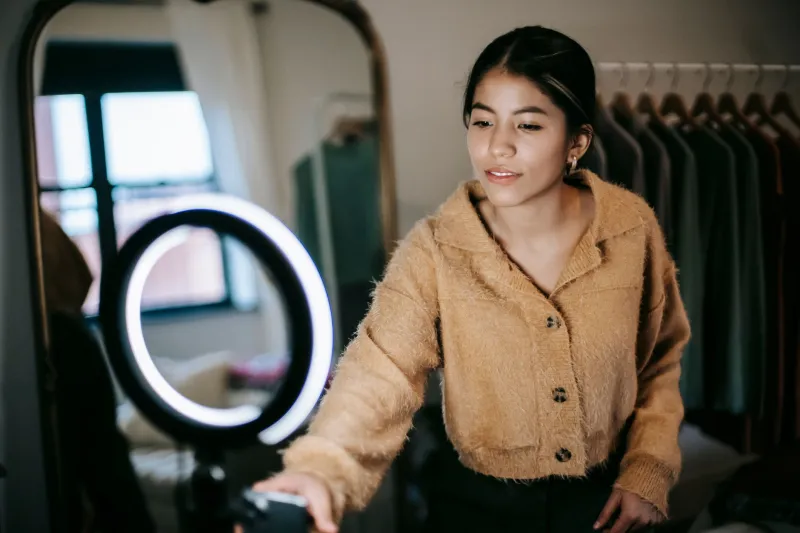
Somewhere between the crying-in-my-car confessionals and the no-makeup morning routines, "authenticity" became the internet's most overworked buzzword. And honestly? The more everyone claims to have it, the more suspicious I get.
Here's what nobody wants to say out loud: being authentic online is a strategy. A really good one. But a strategy nonetheless.
That doesn't make it fake. It doesn't mean the people doing it are frauds. It just means we should stop pretending that vulnerability and visibility are the same thing — because they're not, and conflating the two is quietly messing with a lot of creators' heads.
The Moment 'Authentic' Became a Brand Aesthetic
Think about the creators you follow who feel the most "real" to you. Chances are, there's something very specific about how they show up — a particular energy, a consistent way of speaking, a recurring theme in what they choose to share. That consistency? That's not an accident.
When someone builds an audience around being unfiltered, they've made a filter. It's just a different kind of filter than the Valencia preset or the perfectly staged bookshelf. The "messy house" backdrop is still a backdrop. The "I almost didn't post this" caption is still a caption that got written, reviewed, and published.
None of that is inherently dishonest. But it is intentional. And the sooner creators acknowledge that, the less trapped they'll feel by the performance of not performing.
What You're Actually Doing When You 'Open Up'
There's a useful distinction worth making here — between genuine vulnerability and what I'd call vulnerability theater.
Genuine vulnerability is when you share something that costs you something. It's the story you tell because telling it might actually help someone, even if it makes you look less polished. It's the creative risk that doesn't come with a guaranteed payoff. It's uncomfortable in a real way.
Vulnerability theater is when you share the shape of vulnerability — the aesthetic of being open — without actually putting anything on the line. It's the strategically timed confession that arrives right after a big win, softening the success. It's the "I struggled too" post that reveals just enough to seem relatable without revealing anything that could genuinely hurt you.
Again — not evil. Not even necessarily wrong. But it's worth knowing which one you're doing, because they hit differently for audiences over time, and they hit very differently for you as the person doing the sharing.
The Relatability Industrial Complex
American creator culture has a particular obsession with being liked, and relatability is the fastest route there. So it makes sense that "being yourself" online has quietly become a form of market research — figuring out which parts of yourself resonate, then leaning into those parts harder.
The problem is that this process, done unconsciously, can hollow you out. You start to lose track of which reactions you're chasing and which ones you actually care about. You optimize yourself into a corner. The "real you" that people love starts to feel like a costume you're required to wear every time you open an app.
This is the authenticity trap in its purest form: you went online to be yourself, and now you're a highly curated version of yourself performing realness for an audience that would feel betrayed if they knew how carefully the whole thing was constructed.
Strategic Revelation Is a Skill — Own It
Here's where I want to push back on the shame spiral that can come with all of this.
Every thoughtful communicator — writers, therapists, teachers, journalists — practices strategic revelation. They decide what to share, when to share it, and how much context to give. That's not manipulation. That's craft.
The difference between a creator who burns out chasing authenticity and one who sustains a real creative practice often comes down to this: the sustainable one knows they're making choices. They're not confused about the line between their public self and their private one. They've decided, deliberately, what belongs to each.
That clarity is actually what makes their sharing feel genuine — because it is. They're not accidentally oversharing and then feeling exposed. They're not performing openness while secretly guarding everything that matters. They've drawn their own lines, and they share within those lines with real intention.
So What Are You Actually Sharing?
If you're a creator trying to figure out where you land in all of this, here are a few questions worth sitting with:
What would you share if no one responded? If the answer is "nothing," that's useful information. It doesn't mean you're fake — it means your sharing is relational, which is fine. But know that about yourself.
What have you never shared, and why? There's a difference between privacy (protecting something that genuinely belongs only to you) and image management (keeping something hidden because it doesn't fit the brand). Both are valid. But they're different, and you should know which one is operating.
Who are you protecting when you 'open up'? Sometimes vulnerability is actually armor. Sharing a smaller, safer wound can be a way of steering attention away from the bigger one. That's human. But it's worth noticing.
Does your audience know the difference between your stories and your self? The best creators are storytellers first. They use their experiences as material, but they're not defined by the material. That distinction is what lets them keep creating without losing themselves in the process.
Being Intentional Isn't Being Fake
I think the reason this whole conversation makes people uncomfortable is that we've attached moral weight to the word "authentic" that it can't really hold. We've decided that calculated equals inauthentic, and spontaneous equals real. But that's a false binary.
You can be genuinely yourself and make smart choices about how you present that self. You can care deeply about your audience and maintain boundaries around what you share. You can build a brand around your personality and acknowledge that brand-building is a thing you're actively doing.
The creators I find most compelling aren't the ones who claim to have no strategy. They're the ones who are honest — even just with themselves — about the fact that they do. That self-awareness is, ironically, the most authentic thing you can bring to this.
So maybe the move isn't to stop being strategic. Maybe it's just to stop pretending you're not.